
Sustainable Entrepreneurship
Don’t just study sustainability. Build it.
可持续创业
Your team takes a real sustainability problem and turns it into a tested venture, then pitches it.
Science finds the problem. Policy sets the rules. Entrepreneurs scale the solution.
This course is built on one idea: entrepreneurship is a powerful way to solve sustainability problems, working alongside science, technology, policy and regulation.

 Catalytic converter substrate (illustration)
Smog. Public anger. A new law. Then industry made the fix.
Case 1: how the catalytic converter went from invention to cleaner air once public demand, the U.S. Clean Air Act, incentives and commercial engineering lined up.
Los Angeles, September 1973. Gene Daniels, U.S. EPA DOCUMERICA, National Archives 552395. Public domain.
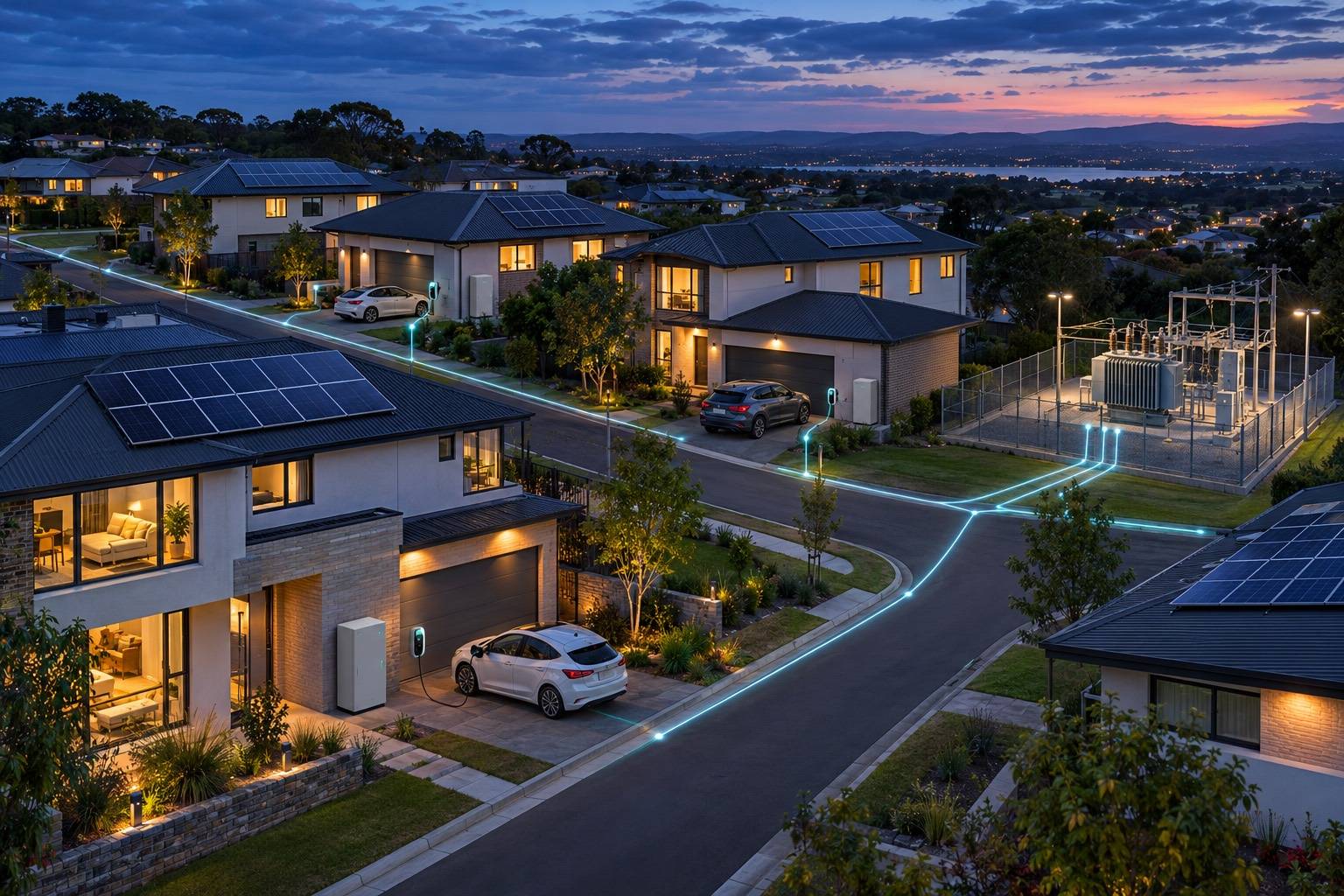
AI for a flexible energy grid. Real impact? You decide.
Case 2: Kraken’s AI-enabled platform connects utility data, customer operations, home energy devices and flexibility services. You weigh the evidence, the economics and the risks.
Less lecture. More building.
From a problem to a pitch in one semester.
Find a problem
Pick a real sustainability challenge and map the system around it.
Talk to people
Interview customers, users and partners. Collect evidence.
Make it pay
Build the business model, the impact case and the financial plan.
Build and test
Make a prototype or MVP, test it, then continue, pivot or stop.
Pitch it
Present your venture and take questions, in English.

Real foundations
Financial accounting.Engineering economics.Business models.Finance.Impact.
The skills founders actually use. Each one is taught, then applied straight away to your own venture.
Use AI. Show your work.
Every team works in a shared GitHub repository. AI tools are welcome within university policy: you log what they did, check what they produced and own the result. Automated checks flag where you need help. People do the grading.
$ git log --oneline
a91f3c2 pitch: final deck + evidence appendix
7d04e1b decision: pivot to B2B after user tests
52c9a80 prototype: sensor MVP v2, test protocol
e3b7714 model: unit economics, 3-year cash flow
0c6d2f9 impact: LCA baseline vs. status quo
9a1e5b3 evidence: 14 user interviews
4f20c7e ai-log: prompts, model, what we kept
… an illustrative example
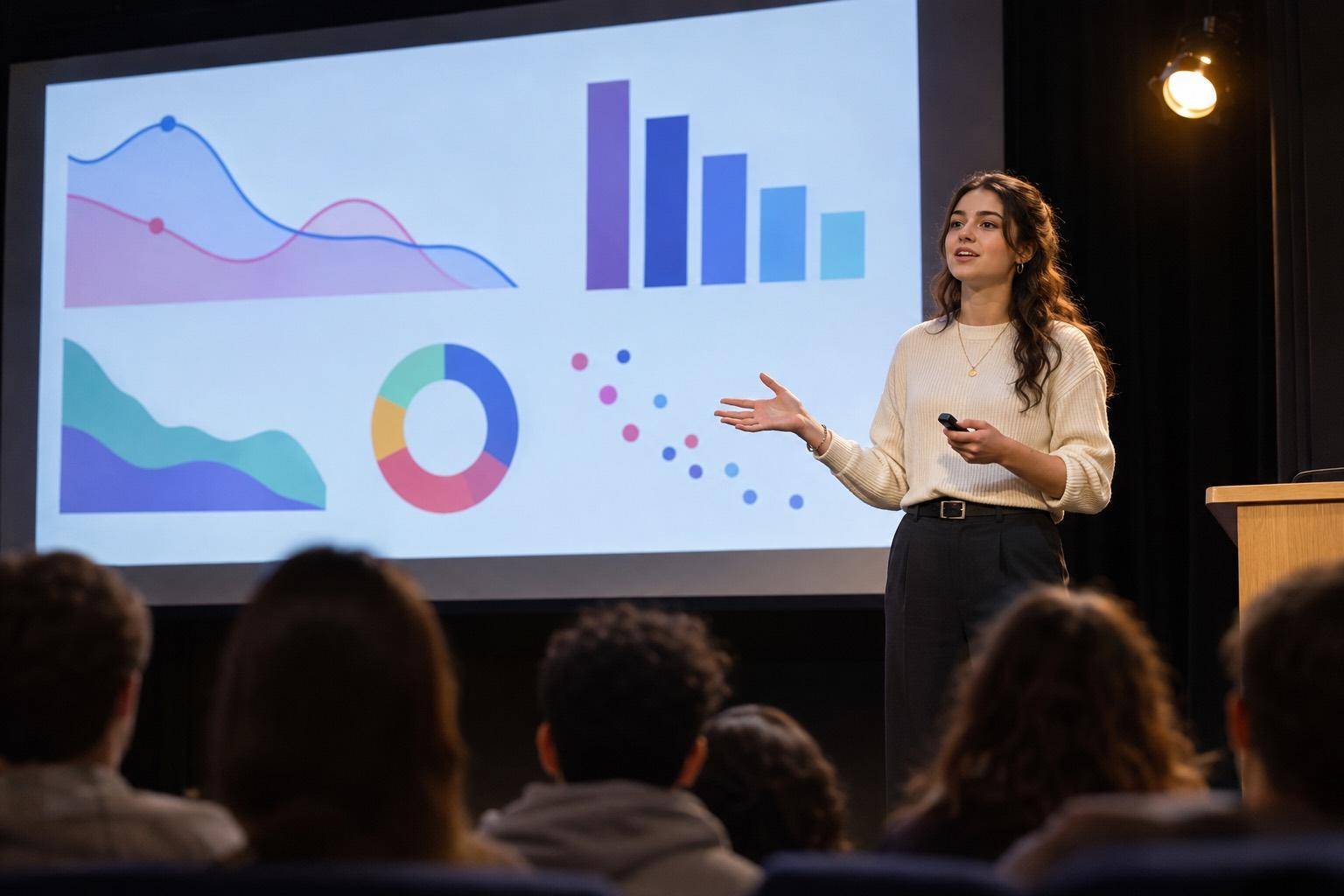
Finish on stage. Then keep going.
Every team pitches its venture at the end of the semester. Strong projects can enter national and Tsinghua competitions, with help adapting their work.
Optional. Not needed to pass. Rules and deadlines change each year, so check the official sites.
Taught entirely in English.
Lectures, discussions, team reviews and the final pitch are all in English. A strong way to build the language you will use in global business and research.
Course selection opens
11 December
- When
- Thursdays, 9:50–11:25
- Where
- Teaching Building 3, Room 3309
- Credits
- 2 · undergraduate elective
- Places
- 20
- Prerequisites
- None required
- Instructor
- Prof. Sangwon Suh
Open to Xiuzhong College students, especially in Sustainable Engineering and Global Governance, and to students from Tanwei, Weiyang and any undergraduate programme who want to build solutions to sustainability problems. Search for Sustainable Entrepreneurship (可持续创业), School of Environment.
Course details: sessions and grading
- 01Course Thesis, Project Launch, and Team Formation
- 02Historical Case: Catalytic Converters and Clean Air
- 03Defining System Problems and Entrepreneurial Opportunities
- 04Modern Case: Kraken, AI, and Energy Platforms
- 05Customer, Beneficiary, and Partner Discovery
- 06Financial Accounting Foundations
- 07Engineering Economics and Capital Budgeting
- 08Market, Value Proposition, and Competitive Analysis
- 09Sustainable Business Models and Impact Logic
- 10Financial Model, Capital Requirements, and Entrepreneurial Finance
- 11Resources, Operations, Supply Chains, and Institutional Conditions
- 12Prototype and Minimum Viable Product Studio
- 13AI-Assisted Development and Repository Governance
- 14Testing, Risk, and Iteration Decisions
- 15Competition Pathways and Pitch Studio
- 16Final Demonstration, Review, and Reflection
No single textbook: English lecture notes, case packets and a project workbook. Guest experts from sustainable business, venture investment, engineering economics, AI and technology join the teaching team. Students without a background in economics, accounting or programming complete preparatory materials.